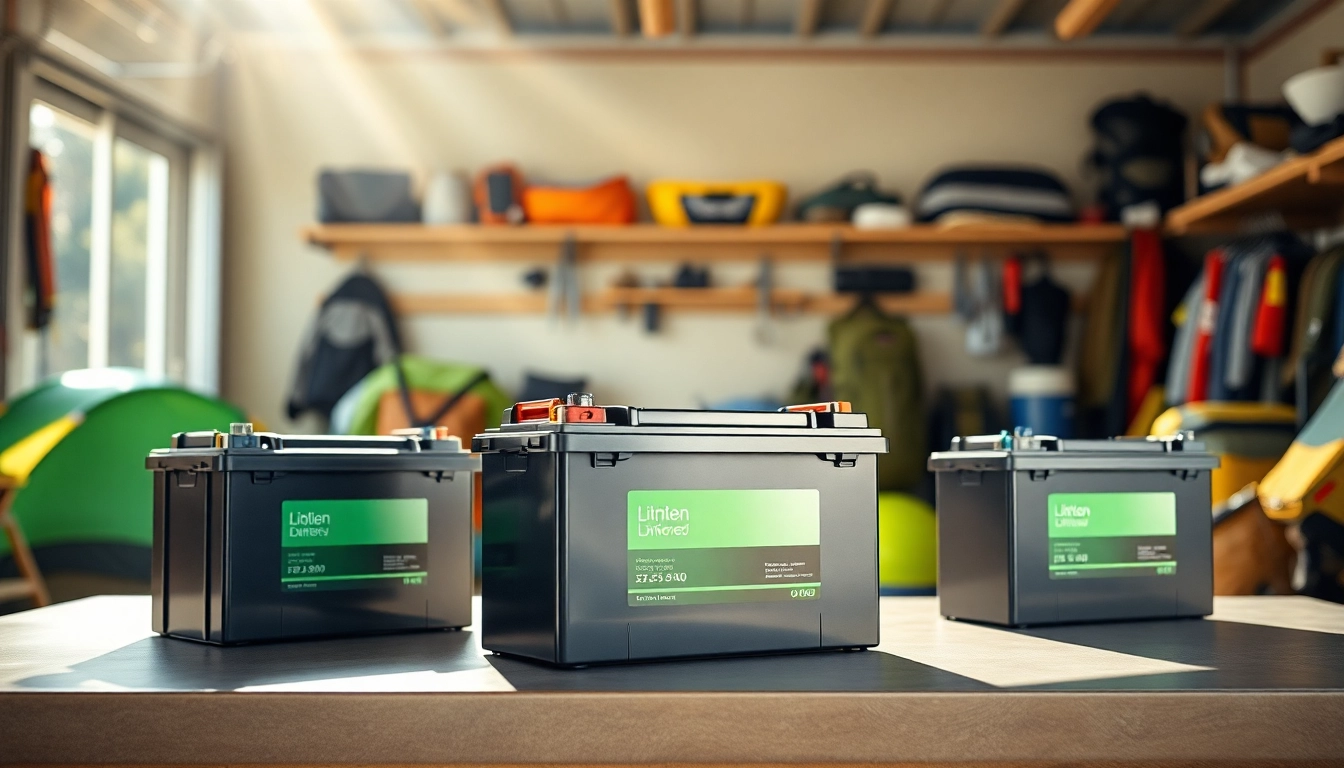
Understanding Lithium RV Batteries
What Are Lithium RV Batteries?
Lithium RV batteries are advanced energy storage systems utilizing lithium-ion technology to provide reliable power for recreational vehicles (RVs) and campers. Unlike traditional lead-acid batteries, which often consist of various acidic solutions, lithium RV batteries harness the chemical properties of lithium iron phosphate (LiFePO4) for superior performance. Known for their light weight, high energy density, and reliability, these batteries have become a preferred choice among RV enthusiasts and off-grid adventurers alike.
Benefits of Lithium RV Batteries?
Adopting lithium RV batteries offers numerous advantages, elevating the RVing experience. One of the key benefits is their extended lifespan, lasting up to 10 years or more with proper care, significantly outlasting conventional options. Furthermore, their fast charging capabilities allow for quicker power restoration, minimizing downtime during your adventures. Another crucial aspect is depth of discharge; lithium batteries support discharging up to 80-100% of their capacity, whereas lead-acid batteries should ideally remain above a 50% discharge level. This means that lithium RV batteries provide more usable power, offering flexibility and freedom on extended trips.
How Do Lithium RV Batteries Work?
The operation of lithium RV batteries centers on chemical reactions within their cells. When the battery is charged, lithium ions move from the positive electrode (cathode) to the negative electrode (anode), storing energy. During discharge, this process reverses, and the ions flow back, releasing energy to power electrical systems within the RV. The performance efficiency in temperature extremes, lighter weight, and reduced maintenance requirements all underscore why lithium technologies have surged in popularity.
Choosing the Right Lithium RV Battery
Factors to Consider When Selecting Lithium RV Batteries
Choosing the right lithium RV battery involves understanding a variety of factors. Primarily, you’ll need to assess your power needs: the total watt-hours required based on the devices you plan to use. Additionally, consider the battery's voltage, capacity, and cycle life. A deeper understanding of how long you can use your RV without recharging as well as peak power requirements is essential. Another critical factor is compatibility with your existing RV charging system.
Common Sizes and Capacities of Lithium RV Batteries
Lithium RV batteries come in multiple sizes, with common capacities ranging from 100Ah to 400Ah. The most popular sizes include 12V and 24V configurations for various applications, allowing RV owners to tailor their power solutions to their specific needs. Selecting a battery size also involves evaluating the available space for installation and ensuring that the electrical system can adequately support the chosen size.
Identifying Quality in Lithium RV Batteries
Not all Vatrer Power lithium RV batteries are created equal. When identifying quality, consider factors such as build material, safety certifications, and manufacturer reputation. Look for batteries equipped with built-in Battery Management Systems (BMS) that provide protection against overcharging, short circuits, and overheating. Additionally, battery warranties can also be an indicator of a manufacturer's confidence in their product—longer warranties typically reflect better quality.
Installing Your Lithium RV Batteries
Step-by-Step Installation Process
The installation of lithium RV batteries requires careful planning and execution to ensure safety and functionality. First, assess the space designated for installation, ensuring it's clean and adequately ventilated. Disconnect any existing battery systems and ensure your RV’s electrical system is turned off. 1. Mounting the Battery: Securely mount the new lithium battery in the designated area using the appropriate brackets to avoid movement during travel. 2. Connecting the Battery: Connect the positive terminal of the battery to the RV’s electrical system first, followed by the negative terminal. Ensure connections are tight but don't overtighten, which can damage terminals. 3. Testing the System: After installation, switch on the RV's electrical system and monitor the battery status. Check for any error codes or alerts indicating a problem in the system or installations, such as incorrect connections.
Essential Tools for Installing Lithium RV Batteries
To streamline the installation process, having the right tools and materials is crucial. Essential tools include:
- Wrenches (for terminal connections)
- Wire cutters and strippers
- Electrical tape (for securing connections)
- Safety goggles and gloves (for personal protection)
- Battery terminals and connectors appropriate for your battery size
Safety Precautions During Installation
Safety should always be the top priority. Begin by wearing safety goggles and gloves to protect from potential hazards. Ensure no metallic objects touch the battery terminals inadvertently. Also, double-check wiring before powering the system to avoid any sparks or shorts. Always consult the battery manual for specific instructions and safety guidelines.
Maintaining Lithium RV Batteries
Best Practices for Battery Longevity
Proper maintenance is key to maximizing the lifespan of your lithium RV batteries. Following best practices can yield significant long-term benefits:
- Periodically check the battery's state of charge and ensure it remains between 20-80% for optimal performance.
- Use a dedicated lithium-compatible charger to ensure proper charging conditions.
- Keep battery terminals clean and free of corrosion; regular cleaning can prevent performance issues.
Common Issues and Troubleshooting Tips
Despite their reliability, lithium RV batteries can encounter issues. A common problem is the battery failing to charge properly. If this occurs, first inspect connections for tightness and corrosion. Additionally, check the compatibility of the charger being used. In cases of underperformance, consider evaluating the installed BMS for errors or alert notifications.
When to Replace Your Lithium RV Batteries
Knowing when to replace your lithium RV battery is crucial to maintaining a robust power system. Signs of an aging battery include reduced capacity, diminished voltage levels during use, or if the battery struggles to hold a charge. Most lithium batteries will indicate an end of life based on their cycle count, typically around 2000-5000 cycles for LiFePO4 batteries. Tracking usage and performance metrics will help in making timely replacement decisions.
Maximizing Performance of Lithium RV Batteries
Optimizing Charging Techniques for Lithium RV Batteries
Effective charging is integral to the performance of lithium RV batteries. Employing techniques like bulk, absorption, and float charging can aid in ensuring the battery stays in peak condition. Bulk charging restores the battery to 80% of its capacity efficiently, while absorption charging fine-tunes to complete the charge cycle. Finally, float charging maintains the battery at full charge without overcharging, beneficial for extended storage periods.
Combining Solar Power with Lithium RV Batteries
Integrating solar power systems with lithium RV batteries enhances energy independence during travels. Solar panels can continually charge the battery during daylight, ensuring a consistent energy supply for onboard appliances and systems. When configuring a solar setup, consider panel wattage, charge controller type, and battery capacity to ensure synergy among all components.
Real-life Examples of Enhanced Performance
Many RV owners report significantly enhanced performance after switching to lithium RV batteries. For instance, a typical user might find they can operate their refrigerator and lighting for longer durations while boondocking, compared to previous setups with lead-acid batteries. Energy efficiency can lead to increased comfort, less reliance on campground amenities, and a more enjoyable outdoor experience overall.
Frequently Asked Questions
1. Are lithium RV batteries worth the cost?
Yes, especially for frequent RVers, the longevity and increased capacity of lithium batteries often outweigh the upfront costs.
2. How long can a lithium RV battery last?
With proper usage and maintenance, lithium RV batteries can last up to 10 years or more, significantly outlasting traditional batteries.
3. Can I use a solar panel to charge my lithium RV battery?
Absolutely! Solar panels are an excellent way to charge 12V 300Ah Lithium Battery, especially during off-grid camping.
4. How can I extend the life of my lithium RV batteries?
Regularly monitor the state of charge, use appropriate charging systems, and keep terminals clean to enhance battery lifespan.
5. What is the best way to store lithium RV batteries when not in use?
Store them in a cool, dry place, maintaining a charge level of around 50%, to prevent degradation while in storage.