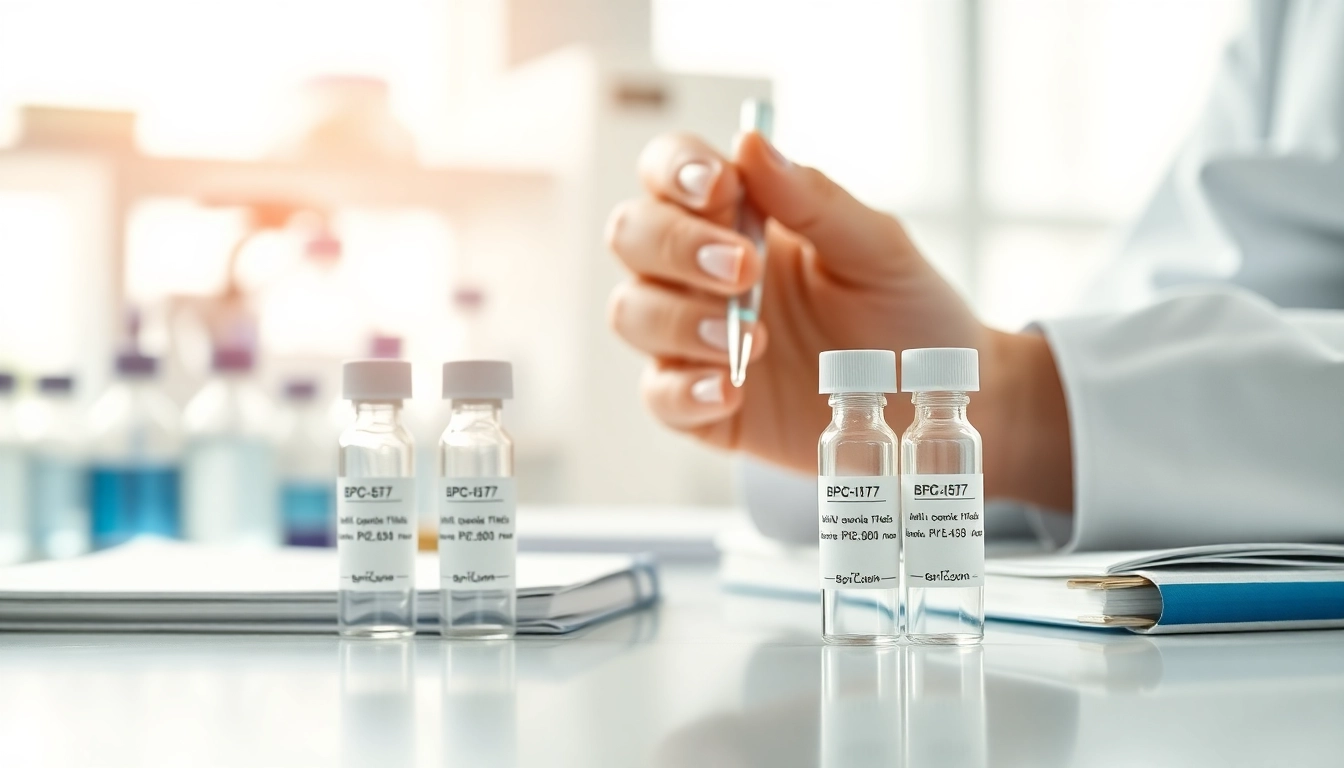
The Science Behind Research Peptides
What are Research Peptides?
Research peptides are short chains of amino acids that play critical roles in biochemical processes within the body. They function as signaling molecules, influencing various physiological functions and dictating cellular communication. Unlike proteins, which are longer amino acid chains, peptides are more versatile and can be synthesized easily for testing and research purposes. Their unique structure allows them to interact with specific receptors, making them pivotal in various therapeutic applications, including healing and muscle growth.
Common Types of Peptides and Their Uses
There are many types of peptides, each with distinct biological functions:
- Hormonal Peptides: These regulate bodily functions and include insulin and glucagon.
- Neuropeptides: They act on the nervous system to modulate pain, anxiety, and mood.
- Antimicrobial Peptides: These have bacteria-fighting properties and play a role in the immune response.
- Signaling Peptides: They are involved in communication between cells, influencing growth and repair mechanisms.
Understanding the specific roles of these peptides is essential for developing targeted treatments in areas like healing and sports medicine.
Understanding BPC-157 and Its Applications
BPC-157, or Body Protection Compound-157, is a peptide that has gained attention for its remarkable healing properties. Originally derived from a protein found in the stomach, BPC-157 exhibits various therapeutic effects. Research indicates that it promotes tendon and ligament healing, accelerates wound recovery, and even aids in muscle repair. Its ability to enhance angiogenesis, the formation of new blood vessels, plays a crucial role in tissue regeneration. Athletes, bodybuilders, and those experiencing chronic injuries are increasingly interested in the applications of BPC-157 for improving recovery outcomes. For those exploring this option, understanding bpc-157 where to buy is essential for sourcing high-quality peptides.
Benefits of BPC-157
Healing Properties and Repair Mechanisms
BPC-157 has demonstrated strong potential in accelerating healing processes. Studies have shown that this peptide can significantly speed up recovery from injuries by promoting the proliferation of cells involved in tissue repair. This accelerative effect is particularly noteworthy in scenarios involving muscle and tendon injuries, fractures, and even severe wounds. BPC-157 works by modulating various growth factors and cytokines that facilitate cellular regeneration, reducing healing time and improving overall outcomes.
Effects on Muscle Growth and Recovery
The muscle growth and recovery advantage of BPC-157 is one of the reasons it has become popular among athletes. By enhancing collagen synthesis, BPC-157 not only aids in muscle recovery but can potentially contribute to muscle hypertrophy. Its regenerative properties can help athletes return to peak performance levels more quickly, ensuring that training regimens are less affected by injuries. Additionally, BPC-157 has been reported to reduce muscle wasting, making it a subject of interest for those looking to maintain muscle mass during recovery phases.
Potential Uses in Pain Management
Pain management is another promising area for BPC-157. By promoting healing and reducing inflammation, BPC-157 can help alleviate chronic pain conditions associated with injuries or surgeries. The ability to enhance recovery and minimize pain could transform treatment protocols in sports medicine and orthopedics. Moreover, given its low incidence of side effects compared to traditional pain medications, BPC-157 offers a compelling alternative for patients seeking effective pain relief.
How to Source Quality Peptides
What to Look for When Buying Peptides
When considering the purchase of BPC-157 or any research peptide, it is crucial to understand the characteristics that distinguish quality products. First, it is vital to verify the source—reputable suppliers provide certificates of analysis (COA) that confirm the peptide's identity and purity. Additionally, consider the form of the peptide; for effective results, high-grade lyophilized (freeze-dried) peptides are often recommended. Potential buyers should also evaluate the supplier's transparency regarding manufacturing processes.
Understanding Purity and Formulation
Peptide purity is a significant factor in determining the effectiveness of a compound. A higher purity level (generally above 95%) suggests fewer contaminants and a more effective product. When reviewing formulations, factors such as the presence of stabilizers, solvents, or other additives should be considered, as they can impact the stability and bioavailability of the peptides. The best approach is to seek verified products that provide third-party testing results showcasing their purity and composition.
Evaluating Suppliers for Safety and Reliability
To ensure safety and reliability, conducting thorough research on the peptide supplier is essential. Look for manufacturers with strong reputations within the research community. Online reviews and testimonials can provide insight, but always verify information through multiple sources. Additionally, inquire about the supplier’s adherence to Good Manufacturing Practices (GMP) standards, as this indicates a commitment to quality and safety in production processes.
Administering Research Peptides Effectively
Dosage Guidelines for BPC-157
Effective dosage of BPC-157 can vary depending on the intended application and individual needs. Commonly cited dosages range from 200 to 600 micrograms per day, divided into two doses. For specific injuries, higher doses may be beneficial, but it is crucial to approach this methodically, starting with lower doses to assess personal response and tolerability. Consulting with a healthcare or research professional is recommended for personalized dosage guidance.
Methods of Administration: Injections vs. Oral
BPC-157 can be administered through injections or, in some cases, orally. Injectable forms tend to provide direct delivery into the bloodstream, resulting in quicker and more reliable absorption. Subcutaneous injections are common, allowing for easy administration. On the other hand, oral formulations face limitations due to peptide degradation in the digestive tract, making them less effective. It is advisable to consider the method of administration based on personal preference and specific therapeutic goals.
Monitoring Effects and Adjusting Dosage
Monitoring the effects of BPC-157 is essential to determine its influence on healing and recovery. Keeping a daily journal can help track physical changes, pain levels, and overall well-being. Based on these observations, dosage adjustments may be warranted. Feedback from healthcare professionals can significantly enhance this process, ensuring that the administered peptide achieves the desired therapeutic outcomes. Education about the signs of effective response to BPC-157 is also beneficial.
Legal and Safety Considerations
Regulatory Landscape for Peptide Research
The legal status of peptides like BPC-157 can vary significantly between regions. While some countries permit the research and therapeutic use of certain peptides, others may enforce strict regulations. Before purchasing or using BPC-157, individuals should familiarize themselves with local laws and regulations to avoid legal repercussions. It is crucial to remain updated on any changes in regulations that affect the availability and use of peptides in research and medical settings.
Understanding Claims and Quality Assurance
Peptides are often marketed with various claims regarding benefits without sufficient scientific backing. It is crucial for consumers to be discerning when encountering such claims, evaluating the scientific literature or peer-reviewed studies supporting them. Engaging with reputable suppliers that prioritize quality assurance through third-party testing or clinical data is recommended to enhance confidence in the product's efficacy.
Importance of Consulting Healthcare Professionals
Engaging healthcare professionals before initiating the use of research peptides like BPC-157 is essential. Their expertise can provide personalized guidelines, potential interactions with existing medications, and monitoring for any adverse effects. This collaboration not only helps ensure safety but also enhances the likelihood of achieving the desired therapeutic benefits in a structured manner.
Frequently Asked Questions
What is BPC-157 and what does it do?
BPC-157 is a peptide that promotes healing and tissue regeneration. It has applications in muscle recovery, pain management, and injury repair.
How is BPC-157 administered?
BPC-157 is primarily administered through subcutaneous or intramuscular injections, although oral formulations exist, they are less effective.
Are there any side effects of BPC-157?
Generally considered safe, BPC-157 may cause minor side effects like irritation at the injection site. Serious side effects are rare.
Where can I buy BPC-157?
To purchase BPC-157 safely, it is essential to research reputable suppliers and verify the purity and quality of their products.
Is BPC-157 legal to use?
The legality of BPC-157 varies by region; it is advisable to check local regulations before using or purchasing this peptide.