What is Rabbit Gut Stasis?
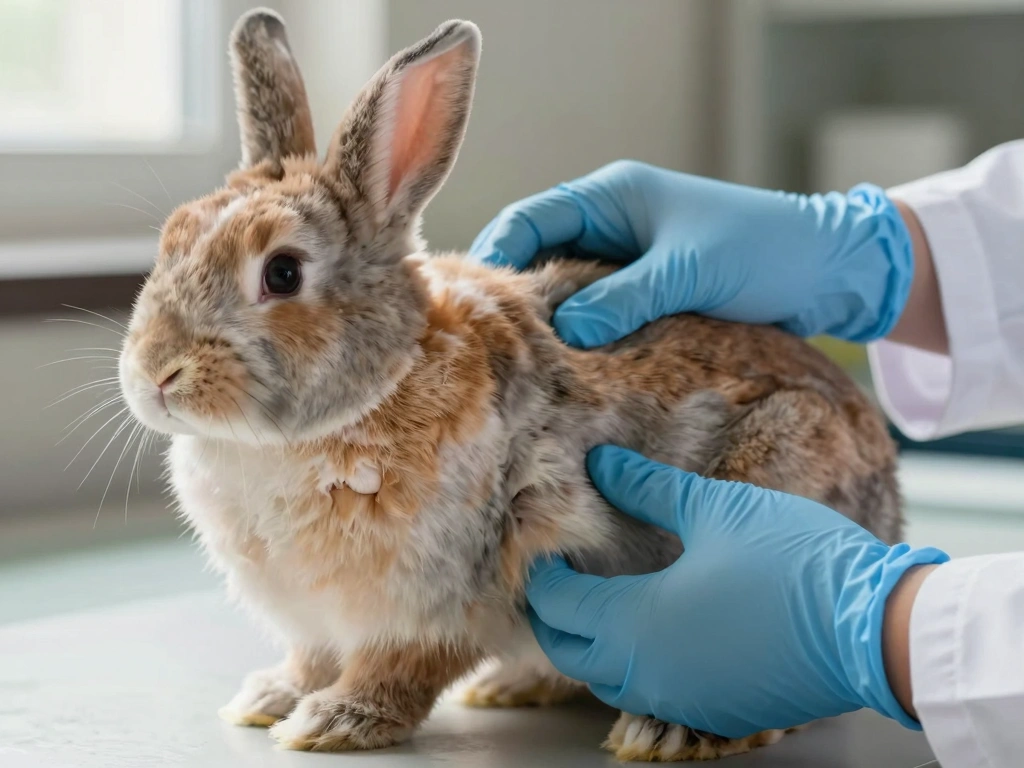
Definition and Symptoms
Rabbit gut stasis, also known as gastrointestinal stasis (GI stasis), is a serious condition characterized by a slowdown or complete halt in the movement of food through the digestive tract. This condition is particularly concerning in rabbits due to their unique physiology and dietary needs. Unlike many other animals, rabbits rely on a healthy gut to maintain proper digestion and overall health.
Symptoms of gut stasis can vary but often include:
- Reduced or absent fecal output
- Lethargy and decreased activity levels
- Loss of appetite or refusal to eat
- Abdominal discomfort or bloating
- Teeth grinding or other signs of pain
Recognizing these symptoms early is crucial for preventing the condition from worsening and becoming life-threatening.
Causes of Gut Stasis
Several factors can contribute to the development of gut stasis in rabbits:
- Dietary Issues: A diet low in fiber can lead to slow digestive movement. Rabbits require a high-fiber diet primarily consisting of hay to facilitate proper gut function.
- Stress: Changes in environment, sudden loud noises, or the introduction of new pets can lead to stress, which may affect a rabbit's gut motility.
- Medical Conditions: Underlying health issues, such as dental problems or infections, can hinder a rabbit’s ability to eat or digest food effectively.
- Dehydration: Insufficient water intake can lead to dry feces and contribute to stasis.
The Role of Diet in Gut Health
The diet of a rabbit plays a pivotal role in maintaining gut health. A balanced diet should consist of:
- High-quality grass hay (such as Timothy, Orchard, or Meadow hay) should make up the bulk of their diet.
- Fresh vegetables, which should be introduced gradually and include leafy greens like romaine lettuce, cilantro, and parsley.
- A limited amount of pellets, ideally those that are high in fiber and low in carbohydrates.
When rabbits do not receive adequate fiber, the gastrointestinal tract can slow down, leading to gut stasis. It is essential for rabbit owners to understand the dietary needs of their pets to prevent this potentially life-threatening condition.
How Gut Stasis Develops into a Life-Threatening Condition
Impact of Delayed Treatment
If gut stasis is not promptly addressed, it can lead to severe complications. The initial slowdown in gut motility can quickly escalate, resulting in:
- Increased Pain: As gas builds up in the intestines, rabbits may experience significant discomfort, leading to further refusal to eat.
- Dehydration: With reduced food intake and fluid absorption, rabbits can become dehydrated, complicating their condition and leading to further health issues.
- Intestinal Blockage: Stasis can lead to the accumulation of food and gas, which may eventually cause a blockage, a critical and life-threatening scenario.
Complications Arising from Stasis
Complications from untreated gut stasis can be severe and life-threatening. They include:
- Rupture of the Intestines: Pressure buildup can cause the intestinal walls to rupture, leading to peritonitis, a serious infection in the abdominal cavity.
- Sepsis: Bacteria from the intestines can enter the bloodstream, leading to systemic infection.
- Death: If gut stasis progresses without treatment, the risk of death increases significantly, particularly in rabbits that are already weak or ill.
The Importance of Early Identification
Early identification of gut stasis is crucial in preventing it from becoming life-threatening. Owners should monitor their rabbits closely for any signs of reduced appetite or changes in behavior. Keeping a detailed log of a rabbit's eating and bathroom habits can help in the early detection of issues. When symptoms are noted, immediate veterinary care should be sought to prevent further complications.
Signs of Severe Gut Stasis in Rabbits
Behavioral Changes
Behavioral changes are often the first indicators of severe gut stasis. A rabbit may:
- Become unusually quiet or withdrawn
- Exhibit aggressive behavior when handled due to pain
- Stop grooming themselves, leading to a disheveled appearance
Physical Symptoms to Observe
Physical symptoms of severe gut stasis can include:
- Abdominal bloating or distension
- Fecal output that is significantly reduced or completely absent
- Signs of pain such as teeth grinding or hunching over
When to Seek Veterinary Help
Rabbit owners should seek veterinary help immediately if they observe:
- A drastic decrease in appetite lasting more than a few hours
- Absence of feces for more than 12 hours
- Signs of extreme pain or distress
Prompt veterinary intervention can be the difference between life and death in cases of gut stasis.
Preventive Measures for Rabbit Gut Stasis
Nutrition and Dietary Adjustments
Preventing gut stasis begins with proper nutrition. Rabbit owners should ensure that:
- Hay is always available and forms the bulk of the diet.
- Fresh vegetables are offered daily and introduced gradually to avoid digestive upset.
- Pellets are provided in limited quantities, focusing on high-fiber options.
Environmental Factors and Stress Reduction
Creating a calm and stable environment for rabbits can significantly reduce stress-related gut stasis. Owners should:
- Avoid sudden changes in the rabbit’s environment.
- Provide a safe and comfortable space for the rabbit to retreat if they feel threatened.
- Minimize exposure to loud noises and chaotic situations.
Regular Health Monitoring
Regular health monitoring is crucial in preventing gut stasis. Owners should:
- Schedule annual veterinary check-ups to identify any underlying health issues.
- Monitor weight regularly, as sudden weight loss can indicate health problems.
- Keep track of eating and bathroom habits to catch any changes early.
Treatment Options for Life-Threatening Gut Stasis
Medical Interventions and Medications
When gut stasis becomes life-threatening, immediate medical intervention is necessary. Treatment options may include:
- Fluid Therapy: To combat dehydration, fluids may be administered subcutaneously or intravenously.
- Medications: Prokinetic agents like metoclopramide or cisapride may be prescribed to stimulate gut motility.
- Pain Management: Pain relief medications such as buprenorphine may be administered to improve the rabbit's comfort and willingness to eat.
Supportive Care Techniques
In addition to medical treatment, supportive care is vital for recovery. This can include:
- Encouraging hydration by providing fresh water and offering watery vegetables.
- Providing a quiet, stress-free environment for recovery.
- Hand-feeding soft, high-fiber foods to stimulate appetite and digestion.
Post-Recovery Care and Management
Once a rabbit has recovered from gut stasis, ongoing care and management are essential to prevent recurrence. Owners should:
- Continue with a high-fiber diet and monitor eating habits closely.
- Provide regular veterinary check-ups to monitor gut health.
- Avoid any drastic changes in the rabbit's environment or diet.
By implementing these strategies, rabbit owners can help ensure their pets remain healthy and free from the life-threatening consequences of gut stasis.