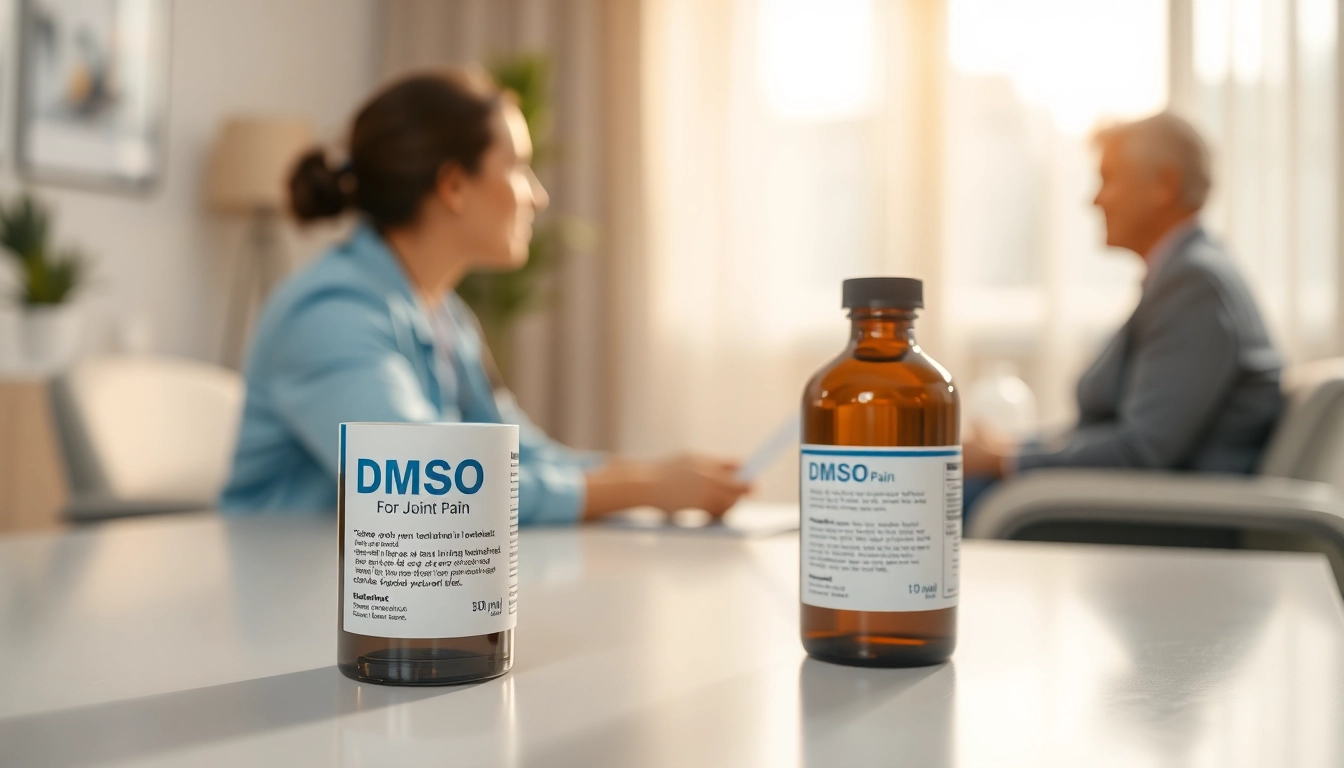
What is DMSO and How Does It Work for Joint Pain?
Definition and Chemical Composition
Dimethylsulfoxide (DMSO) is an organic compound with intense solvation properties, categorized as a polar aprotic solvent. This clear, colorless liquid is derived from lignin, a complex organic polymer found in wood and plants. Its unique chemical structure allows it to penetrate biological membranes, making it a versatile agent in both medical and scientific applications, particularly in pain management.
Mechanism of Action in Pain Relief
DMSO operates through various mechanisms that alleviate joint pain. Its primary function revolves around its anti-inflammatory properties, which can help mitigate swelling and reduce inflammation in affected areas. Additionally, DMSO can inhibit the formation of various pro-inflammatory mediators, such as cytokines and prostaglandins, which play vital roles in the pain signaling pathways. This property allows DMSO to provide quick pain relief to individuals suffering from joint issues.
Scientific Studies Supporting DMSO Use
Numerous studies have explored the efficacy of DMSO for joint pain relief. Research has illustrated that DMSO, when used topically, can significantly reduce pain in osteoarthritis patients. A study indicated that participants using DMSO experienced reduced pain levels and improved joint function. Another investigation pointed towards its effectiveness in treating chronic pain conditions, establishing it as a potential alternative or complement to traditional pain medication.
Benefits of DMSO for Joint Pain Relief
Anti-Inflammatory Properties
One of the foremost benefits of DMSO is its powerful anti-inflammatory effects. By reducing inflammation, DMSO helps alleviate joint pain, providing patients with much-needed relief. Studies have shown a substantial decrease in symptoms associated with inflammatory conditions such as arthritis. This quality makes DMSO a compelling option for those seeking alternatives to conventional anti-inflammatory drugs.
Quick Absorption and Pain Relief
DMSO is known for its rapid absorption capabilities, allowing it to deliver pain relief almost immediately upon application. Users often report feelings of relief within 30 minutes, a stark contrast to oral medications which may take longer to take effect. This quick action is particularly beneficial for individuals with acute pain conditions who need fast-acting solutions.
Potential Advantages Over Other Treatments
When compared to traditional pain relief medications, DMSO offers several advantages. It can serve as a natural alternative with fewer side effects. Additionally, it does not carry the same risk of addiction associated with many prescription pain medications. This attribute makes DMSO a viable treatment option for those concerned about the potential for dependency.
How to Use DMSO for Joint Pain Effectively
Recommended Dosage for Adults
The appropriate dosage of DMSO varies depending on the individual condition and formulation. Generally, recommendations suggest a 25% to 50% topical solution may be applied to the affected area 2 to 3 times daily. It is crucial that individuals adhere to specific product guidelines and consider consulting with a healthcare professional to determine the optimum dosage for their needs.
Application Techniques and Tips
When applying DMSO, it is advisable to follow certain techniques to maximize effectiveness. First, ensure the skin area is clean, as DMSO can absorb impurities along with itself. Using a cotton ball or clean cloth, apply the solution gently to the affected joint. Avoid using excessive pressure. Users should wash their hands thoroughly after application to prevent unintentional absorption in other areas. Additionally, one should avoid using the product alongside incompatible substances which could lead to adverse reactions.
Safety Guidelines to Follow
Though DMSO is generally regarded as safe when used correctly, several precautions must be observed. Individuals with sensitive skin or pre-existing conditions should perform a patch test before full application. Pregnant or breastfeeding women should consult a healthcare provider before using DMSO. Also, it is vital to store DMSO away from heat sources and in a sealed container to maintain its efficacy.
Potential Risks and Side Effects of DMSO
Common Side Effects to Be Aware Of
While DMSO is typically well-tolerated, some users may experience side effects such as skin irritation, a garlic-like taste in the mouth, or a peculiar odor on the skin. These effects are often mild and subside shortly after stopping the application. Monitoring any adverse reactions after initial use is essential.
Individual Reactions and Allergies
Individuals may react differently to DMSO. Some may develop localized allergic reactions, presenting as redness, itching, or swelling. Should any significant reactions occur, it's vital to discontinue use and consult a healthcare professional for guidance. Being vigilant in observing how your body responds to DMSO is essential in ensuring safe and effective use.
When to Consult a Healthcare Professional
Consultation with a healthcare provider is recommended before starting DMSO treatment, especially for individuals with underlying health conditions or those currently taking other medications. If symptoms persist or worsen, or if any unusual side effects arise, one should seek professional advice promptly to reassess treatment options and safety.
FAQs About DMSO for Joint Pain
How often can you apply DMSO for joint pain?
It is generally safe to apply DMSO 2-3 times daily. Always follow specific product guidelines for dosage.
Can DMSO be taken orally for joint pain?
Oral ingestion of DMSO is not widely recommended without professional guidance due to potential risks.
Is DMSO suitable for everyone?
While many individuals find it beneficial, those with sensitive skin or allergies should consult a doctor before use.
How long does it take for DMSO to work?
Many users report relief within 30 minutes, but individual responses can vary significantly based on a variety of factors.
Are there alternatives to DMSO for joint pain?
There are several alternatives including NSAIDs, natural supplements, and physical therapy, depending on individual needs and circumstances.
For more information on the applications and efficacy of DMSO, those interested can explore resources on dmso for joint pain.