Understanding Equipment Transportation Needs
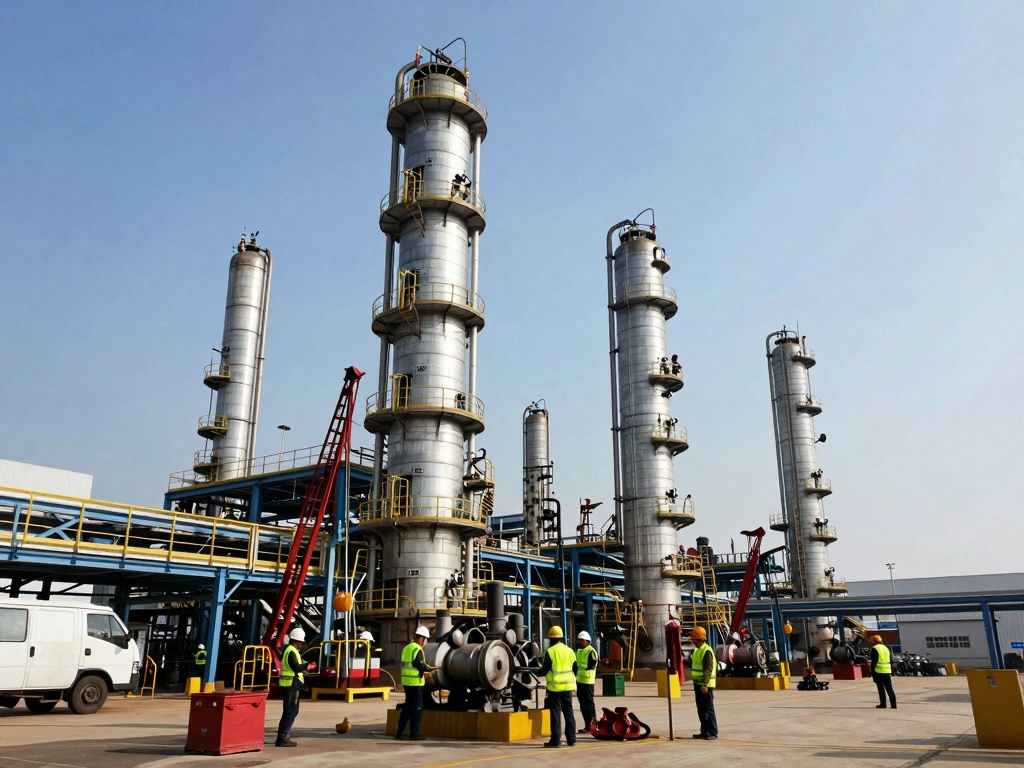
Equipment transportation plays a critical role in various industries, from construction and agriculture to logistics and manufacturing. Whether you’re moving heavy machinery across the country or relocating a single piece of equipment locally, understanding your transportation needs is vital for ensuring efficiency and safety. This comprehensive guide will delve into the intricacies of equipment transportation, exploring types of equipment, assessment techniques, and common challenges faced in the industry. For reliable solutions, equipment transportation services can significantly streamline the process.
Types of Equipment for Transport
There are numerous types of equipment that necessitate transportation, each with specific handling requirements:
- Construction Equipment: This includes excavators, bulldozers, and loaders that are often oversized and heavy.
- Agricultural Machinery: Tractors, combines, and harvesters that require special trailers for safe transport.
- Industrial Equipment: Machinery used in manufacturing processes, needing secure transport to prevent damage.
- Motor Vehicles: Cars and trucks that may be transported individually or in bulk.
- Specialty Equipment: This includes high-value items like generators, compressors, and even delicate scientific instruments.
Assessing Transport Requirements
Before transporting any equipment, it’s crucial to assess several factors:
- Dimension and Weight: Understanding the size and weight of the equipment helps determine the appropriate vehicle and method for transport.
- Destination: Consider road conditions, travel regulations, and distance to ensure a suitable transport route is chosen.
- Timeline: Deadlines for equipment delivery can influence the choice of transport service and speed.
- Permitting Needs: Some equipment requires special permits for transport, particularly if oversized or overweight.
Common Challenges in Equipment Transportation
Transporting equipment presents unique challenges, including:
- Regulatory Compliance: Navigating local, state, and federal regulations can be complex, affecting routes and timelines.
- Weather Conditions: Adverse weather can cause delays or require reassessment of transportation methods.
- Loading and Unloading Risks: Heavy equipment poses risks during loading and unloading, necessitating careful planning and execution.
- Cost Management: Rising fuel prices and tolls can significantly impact overall transport expenses.
Key Considerations for Safe Equipment Transportation
Weight and Size Regulations
Compliance with weight and size regulations is essential in equipment transportation. Overweight loads can incur hefty fines, while oversized loads often require additional permits. Understanding your cargo's dimensions and ensuring it complies with state and federal road regulations is crucial. Regularly check for updates on load restrictions to avoid penalties.
Choosing the Right Transport Method
The method of transport varies based on the type and size of the equipment. Common methods include:
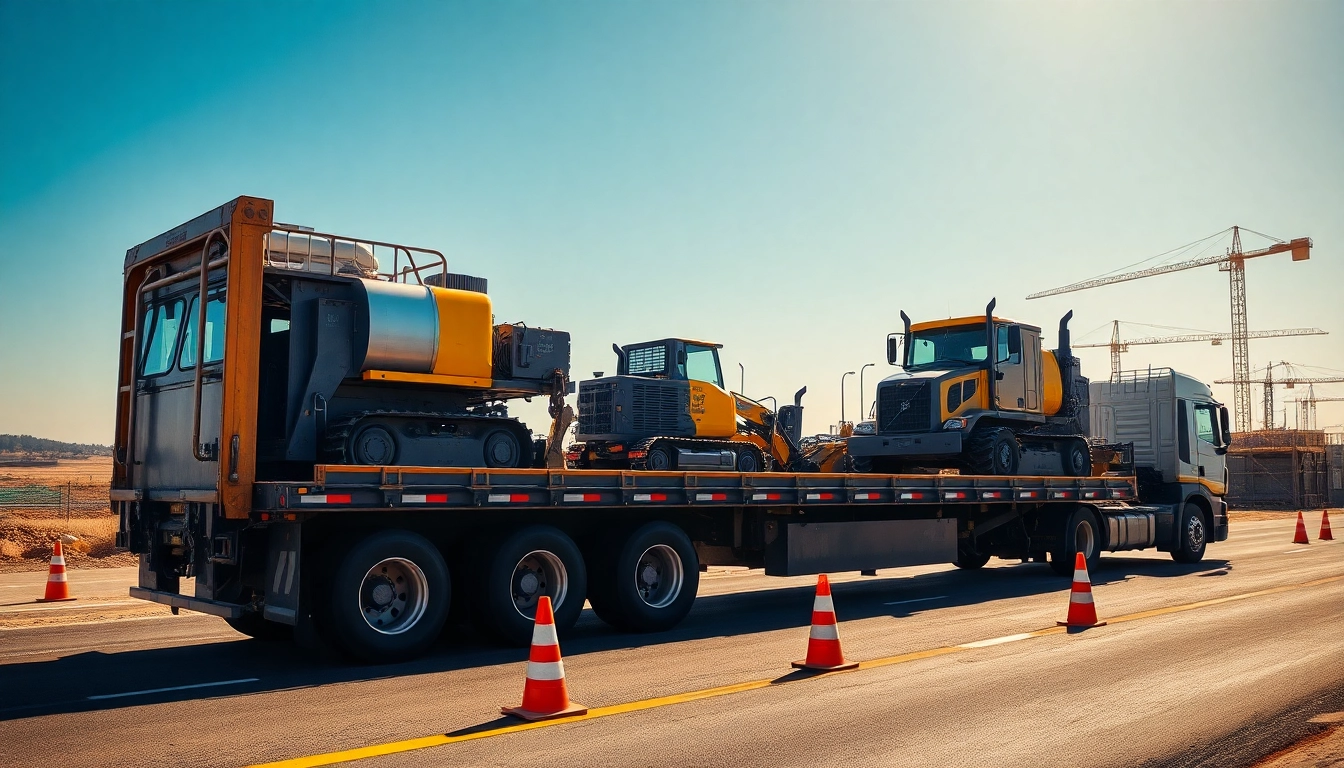
- Flatbed Trailers: Suitable for many types of equipment, offering easy loading and unloading.
- Lowboy Trailers: Ideal for transporting tall or heavy machinery due to lower clearance.
- Step Deck Trailers: Provide versatility for loads that are too high for standard flatbeds but need more height clearance than lowboys.
Evaluate factors such as distance, equipment type, and budget when selecting the transport method.
Proper Permit Acquisition
Acquiring the correct permits is a vital step in equipment transportation. The permit requirements may differ based on the route, weight, and size of your load. Generally, permits are requested through state transportation agencies and require documentation about the equipment. Failure to obtain permits can lead to transportation delays and legal issues.
Best Practices for Equipment Loading and Unloading
Safety Equipment for Loading
Safety during the loading process is paramount. Equip your team with the necessary tools such as:
- Loading Ramps: Help to create a gradual slope for equipment loading.
- Straps and Chains: Secure the equipment during transport, preventing movement.
- Personal Protective Equipment (PPE): Ensure all team members wear hard hats, gloves, and safety boots.
Techniques for Efficient Unloading
Once equipment arrives at the destination, efficient unloading is crucial. Employ the following techniques:
- Communication: Ensure all team members understand their roles during the unloading process.
- Use of Equipment: Leverage forklifts or cranes for heavy machinery to protect personnel and equipment.
- Patience: Take time to unload carefully to avoid accidents or damage.
Handling Different Types of Machinery
Not all machinery is created equal, and understanding how to handle various types is essential:
- Heavy Equipment: Requires a lowboy trailer for stability and safety.
- Delicate Instruments: May need to be transported in climate-controlled environments to prevent damage.
- Bulky Items: Should be secured with rigging and require specialized handling equipment.
Cost Factors in Equipment Transportation
Calculating Transport Expenses
When budgeting for equipment transport, consider several cost factors:
- Distance: Longer distances generally increase fuel and labor costs.
- Size and Weight: Heavier and larger loads often incur higher fees due to increased handling and regulatory requirements.
- Transport Method: Some trailers or transport methods may be more cost-effective depending on your specific needs.
Understanding Quotes and Estimates
Obtain multiple quotes and be clear about your equipment’s specifications when seeking estimates. Look for a detailed breakdown of costs, including the potential for additional fees due to unforeseen circumstances. A transparent quote will help avoid surprises and facilitate better budgeting.
Insurance Options for Equipment Transport
Insurance during equipment transportation is critical to safeguard against potential damages or losses. Key options include:
- Liability Insurance: Protects against damages caused to others during transit.
- Cargo Insurance: Covers damages to the equipment being transported.
- Full Coverage Policies: May be worth considering for high-value machinery.
Future Trends in Equipment Transportation
Impact of Technology on Transport Efficiency
Emerging technologies are transforming equipment transportation. Innovations such as GPS tracking and route optimization software enable real-time tracking of loads, improving transparency and efficiency. Automated systems can help in scheduling and logistics, reducing delays and improving overall effectiveness.
Sustainability in Equipment Transportation
As industries shift towards sustainability, equipment transportation must adapt. Utilizing fuel-efficient vehicles and exploring alternative transport methods, including electric transport options, can minimize environmental impact. Moreover, incorporating digital documentation reduces paper waste and streamlines the process.
Emerging Market Opportunities
With globalization, new markets are emerging for equipment transportation. Companies are increasingly looking to transport equipment internationally. Maintaining compliance with international regulations and understanding the particular needs of diverse markets are crucial for taking advantage of these opportunities.
FAQs
What is equipment transportation?
Equipment transportation involves moving heavy or oversized machinery from one location to another, adhering to safety and legal regulations.
What types of vehicles are used for equipment transportation?
Common vehicles include flatbed trucks, lowboy trailers, and specialized carriers designed for heavy or oversized loads.
How are permits obtained for transporting heavy equipment?
Permits can be acquired through state transportation agencies, ensuring compliance with local laws and regulations for oversized loads.
What safety measures are necessary during loading?
Using proper lifting equipment, securing machines with straps, and wearing protective gear are critical safety measures during loading.
What are the main cost factors for equipment transportation?
Cost factors include vehicle type, distance, load size, permits, and insurance, which vary widely based on the specific needs of the transport.