Understanding the Unique Challenges of Wind Turbine Blade Transportation
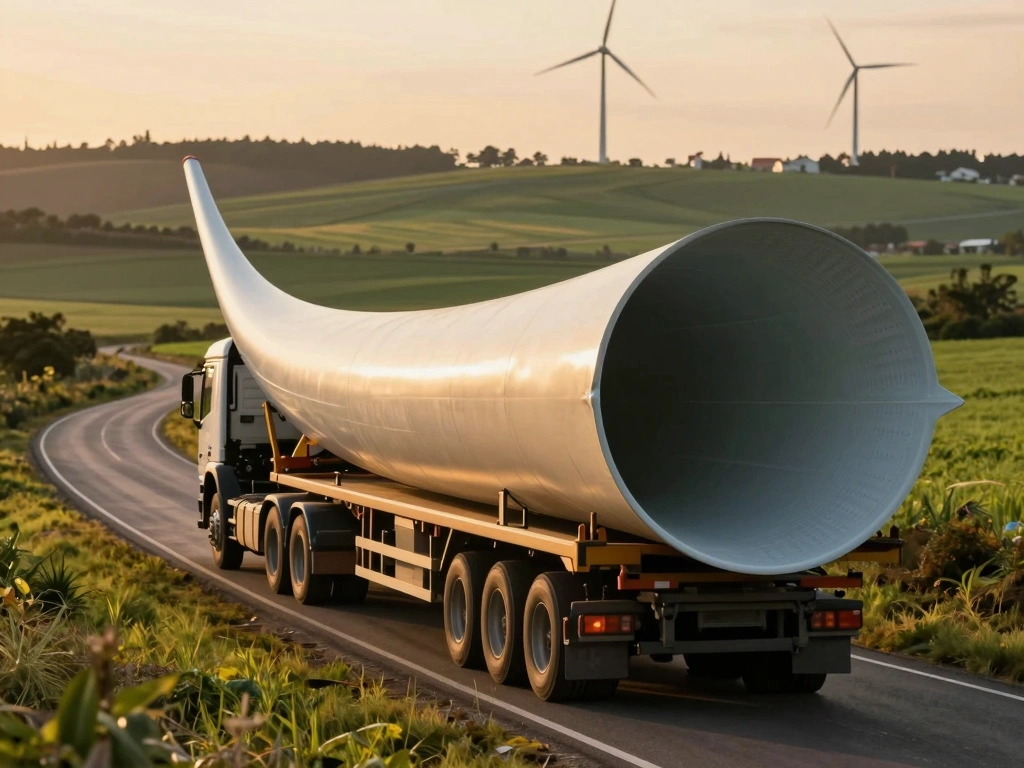
Transporting wind turbine blades presents a unique set of challenges due to their size, shape, regulatory requirements, and environmental considerations. Effectively managing these challenges is crucial for ensuring that wind farms can be constructed on time and within budget.
The Size and Shape of Wind Turbine Blades
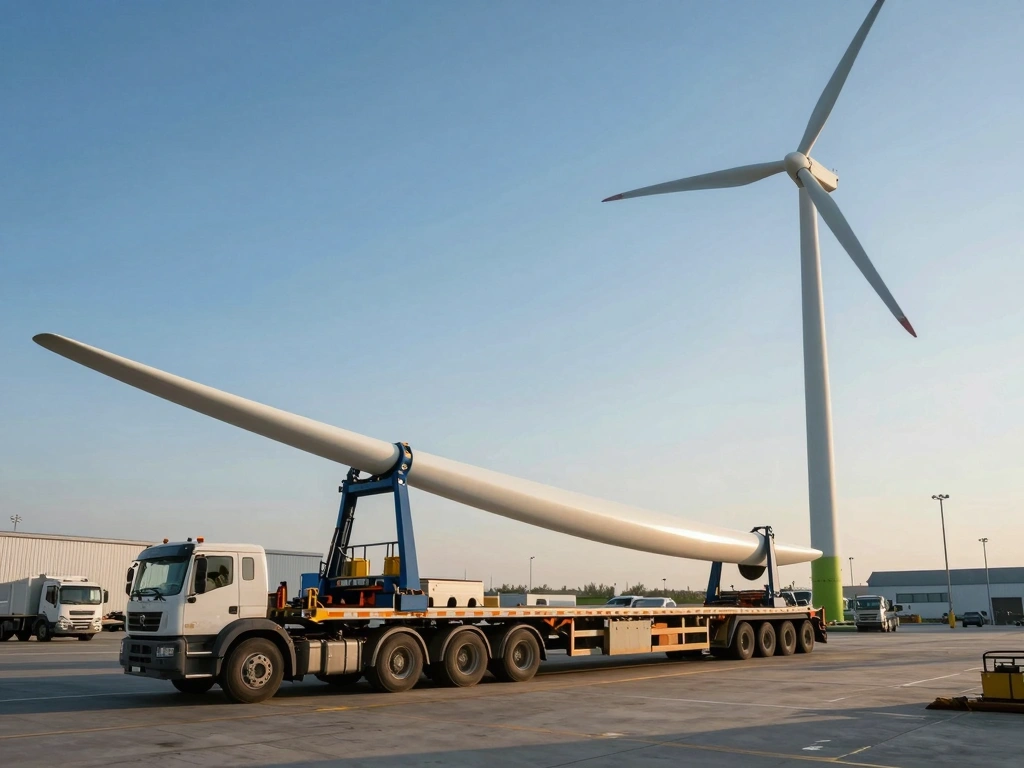
Wind turbine blades can exceed lengths of 80 meters (262 feet) for modern turbines, making them one of the largest manufactured products transported on roads today. Their aerodynamic design, which includes a slender leading edge and a wide trailing edge, not only maximizes efficiency in wind energy capture but also complicates transportation. Due to their dimensions, transporting these blades requires specialized vehicles and routes that can accommodate oversized loads. For instance, flatbed trucks equipped with extendable trailers or specialized blade transport trailers are often utilized. The size of the blades necessitates careful planning regarding vehicle height, width, and weight restrictions, as well as specific considerations for bridges and roadways.
Regulatory and Permitting Hurdles
Navigating through the regulatory landscape is another significant challenge in wind turbine blade transportation. Each state or country has its specific laws related to oversized loads, and these can vary widely. Permits often must be obtained for each segment of the journey, which can lead to delays and increased costs. For example, in the United States, transporting oversized loads requires coordination with state and local authorities to secure the necessary permits. This can involve a lengthy approval process, including conducting route surveys to ensure that the chosen path can accommodate the transport vehicles without incident. Some regions may also have weight limits on roads, which can necessitate additional logistical planning, such as offloading certain components or using multiple vehicles to transport a single blade.
Environmental Considerations in Transportation
Environmental considerations play a significant role in the logistics of transporting wind turbine blades. As the renewable energy sector grows, so does the emphasis on sustainability in all aspects of the industry, including transportation. Transporting large blades can lead to increased carbon emissions, especially if the logistics are not optimized. Companies are increasingly seeking to mitigate their environmental impact by employing strategies such as route optimization to reduce fuel consumption and carbon footprints. Additionally, considerations must also be made for the impact of transportation on local wildlife and ecosystems. Transport routes may need to be adjusted to avoid sensitive areas, particularly during breeding seasons for local fauna.
Innovative Technologies in Blade Transportation Logistics
The integration of innovative technologies into transportation logistics is transforming how wind turbine blades are moved from manufacturing sites to installation locations. These advancements are crucial for improving efficiency, reducing costs, and minimizing environmental impacts.
Use of Advanced Tracking Systems
Advanced tracking systems, including GPS and IoT technology, allow logistics providers to monitor the real-time location and condition of wind turbine blades during transport. This technology enables operators to respond dynamically to potential delays or hazards on the route. For instance, a company like Siemens Gamesa has implemented a comprehensive tracking system that allows for the monitoring of each blade's transport. This system not only tracks the location but also provides data on temperature and vibration, which are critical for ensuring that the blades remain undamaged during transit.
Automated Loading and Unloading Solutions
Automating the loading and unloading processes of wind turbine blades can significantly reduce labor costs and increase efficiency. Technologies such as robotic arms and automated lifting systems are being utilized to handle these large components safely. For example, the use of specialized cranes and automated rigging systems can enhance safety and efficiency at loading docks. These systems minimize the risk of damage during loading and unloading, ensuring that blades are transported in optimal condition.
Modular Transport Designs for Increased Flexibility
Modular transport designs are emerging as a flexible solution for blade transportation. These designs allow for the disassembly of blades into smaller, more manageable components that can be transported more easily. An example of this is the use of modular blade designs where the blades can be segmented into parts that can be transported separately and assembled at the installation site. This approach not only simplifies transportation logistics but can also reduce transportation costs and environmental impacts.
Cost-Effectiveness in Blade Logistics Management
Cost management is a critical aspect of blade transportation logistics. As the wind energy sector grows, managing logistics costs while maintaining operational efficiency becomes increasingly important.
Analyzing Transportation Costs vs. Operational Efficiency
Transportation costs must be carefully analyzed against operational efficiency to ensure that spending is justified. This involves a comprehensive assessment of all logistics expenses, including fuel, labor, and equipment costs. Studies have shown that the cost of transporting wind turbine blades can represent a significant portion of the overall project budget—sometimes up to 20%. Companies are increasingly using data analytics to optimize routes and reduce costs while maintaining efficiency. For example, utilizing historical data to predict traffic patterns can lead to significant savings in fuel and time. By analyzing these patterns, logistics managers can avoid congested routes and select the most efficient paths.
Strategies for Reducing Fuel Consumption
Reducing fuel consumption is a top priority in optimizing wind turbine blade transportation logistics. Companies are adopting various strategies to achieve this goal, including route optimization, vehicle maintenance, and driver training. Implementing route optimization software can help logistics managers identify the most fuel-efficient routes, considering factors such as traffic, road conditions, and distance. Additionally, regular maintenance of transport vehicles ensures they operate at peak efficiency, further reducing fuel consumption. Driver training programs that focus on fuel-efficient driving techniques can also contribute to lower fuel costs. Training drivers on optimal acceleration and braking techniques can lead to significant fuel savings over time.
Investing in Sustainable Transportation Options
Investing in sustainable transportation options is becoming increasingly vital as companies aim to reduce their environmental impact. This includes exploring alternative fuel sources, such as electric or hybrid vehicles, for transporting wind turbine blades. For instance, companies like Ørsted have begun investing in electric trucks that can handle oversized loads, significantly reducing carbon emissions compared to traditional diesel trucks. The initial investment in these technologies can be offset by long-term savings in fuel and operational costs, as well as a reduced environmental impact.
Best Practices for Route Planning in Blade Transportation
Effective route planning is essential for the successful transportation of wind turbine blades. By employing best practices in route planning, logistics managers can minimize risks, reduce costs, and enhance overall efficiency.
Utilizing Geographic Information Systems (GIS)
Geographic Information Systems (GIS) technology is a powerful tool for route planning in wind turbine blade transportation. GIS can provide detailed maps and data about road conditions, traffic patterns, and potential obstacles, allowing for more informed decision-making. Logistics managers can use GIS to analyze multiple route options and choose the most efficient paths based on real-time data. For instance, GIS can help identify low-clearance bridges or areas with heavy traffic, enabling the planning of alternative routes.
Considering Weather Patterns and Seasonal Variations
Weather patterns can have a significant impact on the transportation of wind turbine blades. Logistics managers must consider seasonal variations and weather forecasts to avoid delays and ensure safe transportation. For example, transporting blades during winter months can lead to increased risks due to snow and ice. Companies may choose to schedule transportation during milder months to minimize these risks. Additionally, real-time weather monitoring can help logistics teams make proactive decisions to adjust routes as necessary.
Collaboration with Local Authorities for Optimal Routing
Collaboration with local authorities is crucial for optimizing routing in wind turbine blade transportation. Engaging with local governments and transportation departments can provide valuable insights into road conditions, construction projects, and any restrictions that may affect transportation. For instance, companies can work with local authorities to secure necessary permits and receive guidance on the best routes for oversized loads. This collaboration can lead to more efficient planning and execution of transportation logistics.
Case Studies: Successful Blade Transportation Logistics
Examining real-world case studies provides valuable insights into successful wind turbine blade transportation logistics. These examples highlight the importance of innovation, collaboration, and strategic planning.
Lessons from Major Wind Farm Projects
One notable example is the Hornsea One project in the United Kingdom, which is one of the largest offshore wind farms globally. The transportation logistics for this project involved moving oversized turbine components from manufacturing sites in Europe to the installation site in the North Sea. The project utilized specialized transport vessels and coordinated with local authorities to navigate complex shipping routes. Lessons learned from this project include the importance of early planning, stakeholder engagement, and the use of advanced tracking technologies.
Innovative Solutions Implemented by Industry Leaders
Companies like GE Renewable Energy have implemented innovative solutions to streamline blade transportation logistics. By utilizing modular transport designs and advanced tracking systems, GE has been able to reduce transportation times and costs significantly. For example, GE's use of predictive analytics to forecast transportation challenges has led to improved decision-making and efficiency. This proactive approach has not only saved costs but has also enhanced the overall reliability of their logistics operations.
Comparative Analysis of Different Transportation Strategies
A comparative analysis of different transportation strategies reveals varying levels of efficiency and cost-effectiveness. For instance, some companies prefer utilizing rail transport for longer distances due to lower costs and reduced environmental impact, while others rely on road transport for flexibility and speed. A study comparing these methods found that while rail transport is more cost-effective for long hauls, road transport often provides the necessary agility for meeting tight deadlines. The optimal strategy often involves a combination of both methods, tailored to the specific logistics requirements of each project.