The Importance of Ambiance in Restaurants
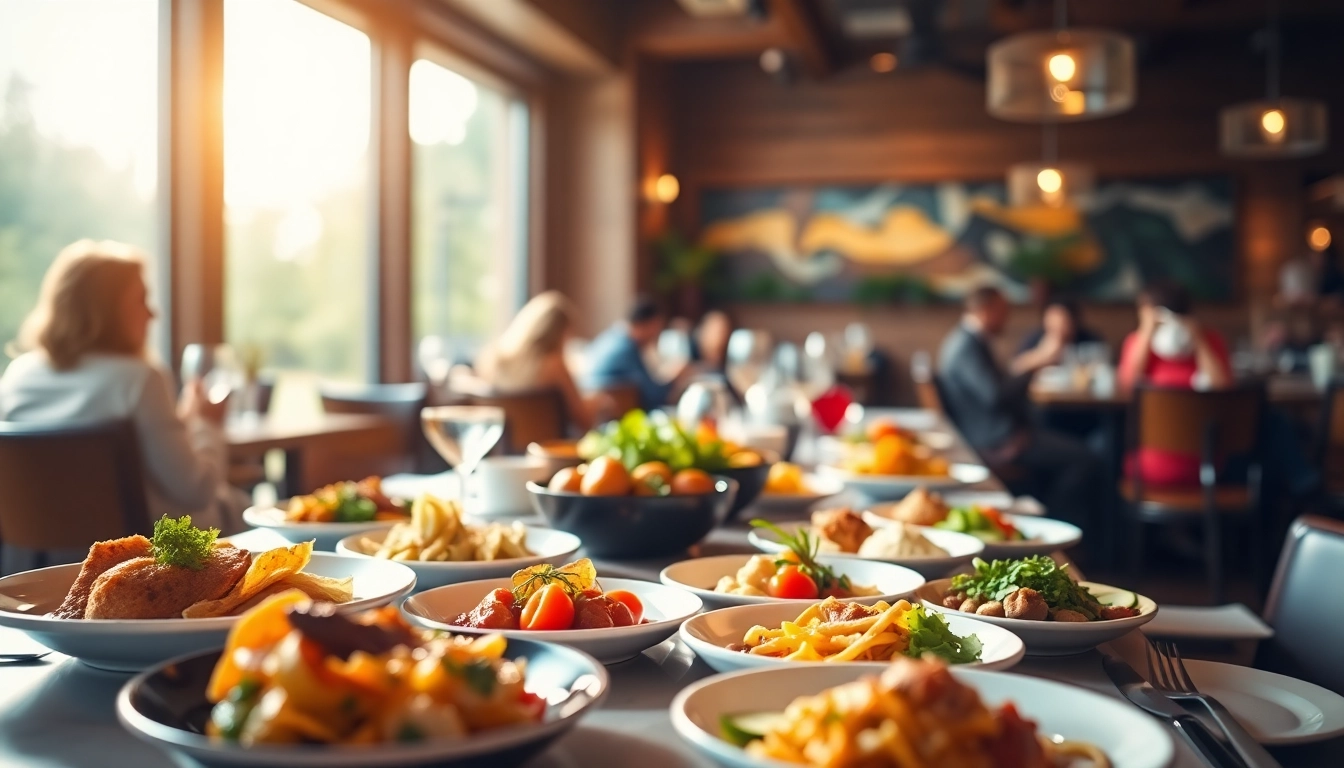
When diners choose a restaurant, they are not merely looking for a meal; they seek an experience. The ambiance of a restaurant plays a pivotal role in shaping this experience, influencing their mood, perception of flavors, and overall satisfaction. This is particularly significant in a world where culinary choices are abundant and competition is fierce. Establishments must pay attention to the subtle elements that create a lasting impression. For those wanting to delve deeper into the nuances of restaurant environments, MISTERHOKI exemplifies how atmosphere elevates dining experiences.
Creating a Memorable Atmosphere
Creating a memorable atmosphere involves a harmonious blend of various elements, including decor, layout, and the energy of the staff. A well-thought-out design can either uplift or dampen the dining experience. Here are key strategies:
- Theme Cohesion: Establish a distinctive theme that resonates with your brand and menu. Every aspect, from furnishings to artwork, must align with this theme.
- Spatial Planning: Consider how diners flow through the space. An intuitive layout allows for easy navigation while maximizing comfort.
- Personal Touches: Unique decor that reflects local culture or humor can create a memorable and relatable environment.
Lighting Techniques that Enhance Experience
Lighting is an essential aspect of ambiance that sets the tone for guests as they enter. The right lighting can evoke feelings of warmth or urgency, influencing the overall dining experience. Consider these techniques:
- Adjustable Lighting: Use dimmers to modify brightness according to different times of day; softer lighting encourages relaxation, while brighter settings can energize the evening rush.
- Accent Lighting: Highlight specific areas of the restaurant, such as artwork or food displays, to create focal points that draw the eye.
- Natural Light: If possible, incorporate natural light to offer a refreshing atmosphere that changes throughout the day.
Sound and Scent: The Unseen Elements
While customers can see and taste food, sound and scent often go unnoticed, yet they play a crucial role in creating an immersive dining experience. Consider these best practices:
- Soundscapes: Background music should complement your restaurant's vibe. Choose playlists that enhance the ambiance without overwhelming conversation.
- Aromas: The scent of freshly baked bread or grilled meats can stimulate appetite and create a homely feel. Use cooking aromas strategically to create an inviting environment.
- Noise Management: Be mindful of acoustics; hard surfaces can amplify noise. Incorporate sound-absorbing materials in your decor to ensure a pleasant auditory environment.
Menu Design: Balancing Creativity and Functionality
In addition to ambiance, a well-designed menu is pivotal in attracting and retaining customers. Balanced menu design enhances functionality while allowing for creative expression. Here are key practices to consider:
Seasonal Menus That Capture Interest
Creating seasonal menus is not only an effective way to keep the offerings fresh but also emphasizes the use of local, sustainable ingredients. Here are some advantages to adopting this strategy:
- Seasonal Ingredients: Highlight local produce that is at the peak of its freshness, enhancing flavor and supporting local agriculture.
- Market Trends: Seasonal menus reflect current culinary trends, making the restaurant more appealing to food enthusiasts.
- Enhanced Engagement: Regularly changing the menu draws returning customers eager to try new offerings.
Visual Appeal: Plating Tips for Success
Visual presentation is a vital part of the dining experience, making the food not only taste better but also look appealing. Effective plating techniques can include:
- Color Contrast: Use vibrant ingredients to create contrast, making dishes visually stunning and enticing.
- Height and Layering: Adding height to plates creates depth and interest, making dishes more exciting to the eye.
- Garnishing: Elegant garnishes can elevate a dish, adding an element of sophistication and flavor intrigue.
Incorporating Local Ingredients
Utilizing local ingredients not only supports the community but also enhances authenticity. Here’s how to incorporate them effectively:
- Supplier Relationships: Build relationships with local farms to ensure a steady supply of fresh ingredients while also fostering community bonds.
- Menu Transparency: Clearly label dishes that feature local ingredients to educate diners and create a sense of connection.
- Highlight Local Flavors: Embrace local culinary traditions and flavors within your dishes to create a distinctive dining experience.
Customer Engagement Strategies
In the digital age, customer engagement can make or break a restaurant's success. The right strategies not only foster loyalty but also enhance the overall dining experience. Here’s how:
Utilizing Technology for Enhanced Interaction
Today's consumers are tech-savvy, making it crucial for restaurants to adapt. Here are several ways to leverage technology:
- Online Reservations: Implement systems for easy online reservations, allowing customers to book their dining experience at their convenience.
- Mobile Apps: Develop a user-friendly app that offers menus, ordering options, and promotions directly to customers' smartphones.
- Feedback Tools: Utilize digital platforms for collecting feedback immediately after service to understand customer satisfaction and areas of improvement.
Social Media Marketing in Restaurants
Social media has transformed how restaurants reach their audiences. Here are effective strategies for leveraging it:
- Visual Content: Share high-quality images of dishes, dining experiences, and special events to engage your audience visually.
- Interactive Posts: Create polls, contests, or questions that encourage engagement and gather opinions from your followers.
- Behind-the-Scenes Content: Showcase kitchen processes, staff introductions, and day-to-day operations to humanize your brand and connect with the audience.
Building Loyalty Through Unique Experiences
Loyalty is cultivated through unique experiences that differentiate your restaurant. Here are several tactics to create memorable moments:
- Themed Events: Host special dinners or theme nights that encourage repeat visits while providing a fresh experience.
- Exclusive Offers: Create members-only discounts or events that build exclusivity and encourage loyalty.
- Personalized Service: Train staff to remember regular customers’ preferences, which enhances the sense of belonging and loyalty.
Health and Wellness Trends in Restaurant Offerings
Integrating health and wellness trends into restaurant offerings is rapidly becoming necessary as diners prioritize their health. This section explores significant trends impacting diners' choices:
Plant-Based Menu Innovations
Plant-based diets are increasingly popular, and restaurants can thrive by integrating innovative options. Consider these practices:
- Creative Substitutions: Use legumes, nuts, and grains to create satisfying plant-based dishes that appeal even to non-vegetarians.
- Menu Highlighting: Designate clear plant-based sections on the menu, making it easier for customers to find these options.
- Collaborative Events: Host workshops or tastings focusing on plant-based cuisine, bringing awareness to health-focused trends.
Allergen-Free Options: Meeting Customer Needs
As food allergies and sensitivities become more recognized, offering allergen-free options is vital in accommodating all diners. Here are suggestions for ensuring inclusivity:
- Clear Labeling: Allergen information should be clearly displayed on menus to guide customer choices and ensure safety.
- Dedicated Preparation Areas: Consider having separate zones in the kitchen to prepare allergen-free dishes safely.
- Staff Training: Ensure all staff are trained to understand and respect food allergies, reducing the risk of cross-contamination.
Nutritional Transparency and its Importance
Modern diners appreciate transparency regarding their food, including its nutritional content. Here are strategies to embrace this trend:
- Nutrient Breakdown: Include nutritional information on the menu or a digital platform to help customers make informed choices.
- Sourcing Stories: Share stories about where ingredients come from, enhancing trust and creating a narrative around each dish.
- Health Partnerships: Collaborate with nutritionists or dietitians to promote healthy eating, potentially enhancing the restaurant's credibility and attract health-conscious customers.
Measuring Restaurant Success Through Feedback
Feedback is essential for continuous improvement and overall success in the restaurant industry. Understanding how to effectively gather and analyze feedback is crucial. Here’s how to approach this:
Customer Reviews and Their Impact
Online reviews can significantly influence a restaurant’s reputation. Here’s how to manage and respond to them:
- Encouraging Reviews: Create incentives for customers to leave reviews, such as discounts on future visits or entries into contests.
- Monitoring Platforms: Regularly monitor review platforms to stay updated on customer sentiments and identify areas of improvement.
- Public Responses: Respond professionally to both positive and negative reviews, showing that you value feedback and are committed to enhancing service.
Using Surveys for Continuous Improvement
Surveys can provide in-depth insight on customer experiences. Consider these tips when using surveys:
- Timing: Deliver surveys shortly after dining experiences for more accurate and relevant feedback.
- Focus Areas: Concentrate on key aspects such as service quality, food satisfaction, and ambiance to gather structured insights.
- Incentivization: Offer incentives like discounts or freebies for completing surveys to increase participation rates.
Responding to Feedback: Best Practices
Effective response strategies to feedback can foster goodwill and customer loyalty. Here are essential practices:
- Timeliness: Responding quickly shows customers that their feedback is valued and taken seriously.
- Personalization: Tailor responses to individual feedback, addressing specific concerns or comments rather than generic replies.
- Action Oriented: When applicable, communicate the steps being taken in response to feedback, reinforcing the commitment to improvement.
Frequently Asked Questions
What role does ambiance play in dining experiences?
Ambiance shapes diners' feelings and perceptions, significantly impacting their overall experience, influencing mood, and even taste perception.
How often should a restaurant change its menu?
A seasonal menu change every few months keeps offerings fresh and interesting, attracting return customers eager to try new dishes.
Why is customer feedback important in restaurants?
Customer feedback highlights strengths and weaknesses, allowing for continuous improvement and enhancing customer loyalty by addressing concerns.
What are the best platforms for restaurant marketing?
Social media, restaurant review sites, and email newsletters are effective platforms. They allow restaurants to engage directly with potential customers.
How can restaurants ensure they meet allergen needs?
Clear labeling, dedicated preparation areas, and staff training are essential to ensure safety and accommodation for customers with dietary restrictions.