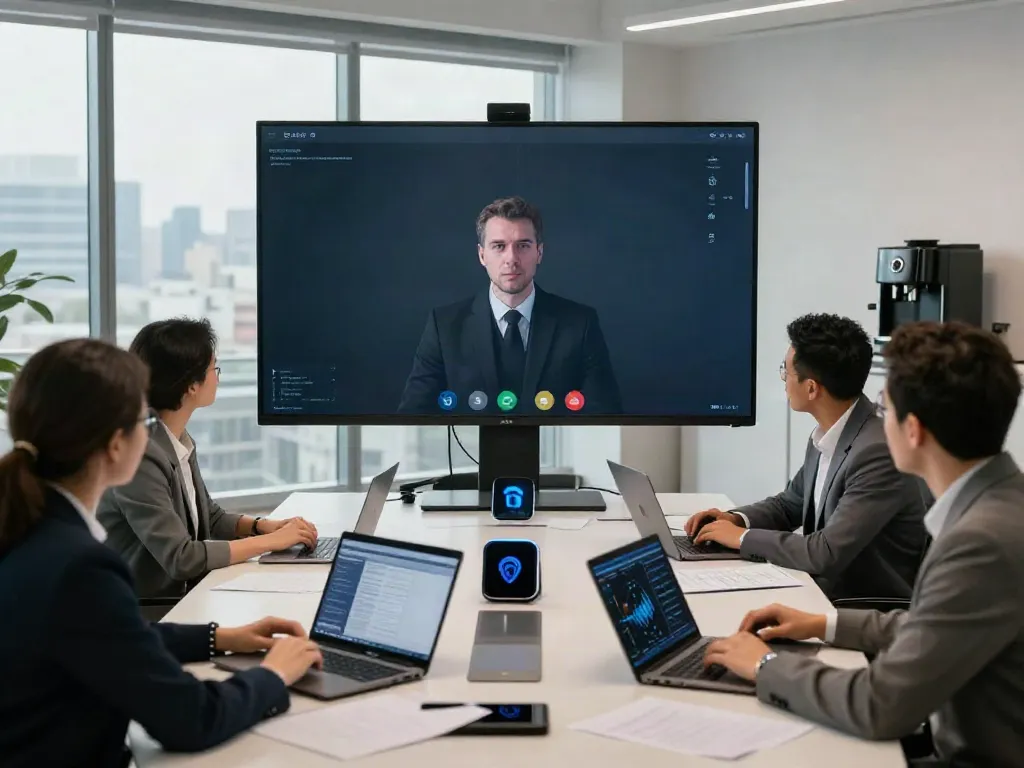
Understanding Deepfake Technology and Its Impact
In the rapidly evolving landscape of digital communication, the emergence of deepfake technology has raised significant concerns, particularly in the realm of virtual meetings. Deepfakes, which utilize artificial intelligence (AI) to generate hyper-realistic video and audio, present unprecedented challenges to authenticity and trust. As organizations increasingly rely on video conferencing tools, the need for deepfake-protected meetings cannot be overstated. This article delves into the nature of deepfakes, the risks they pose, and how businesses can effectively safeguard their virtual interactions.
What Are Deepfakes and How Do They Work?
Deepfakes are a form of synthetic media where AI algorithms manipulate audio and video to create a convincing likeness of someone else. This technology has advanced significantly over the past few years, utilizing deep learning techniques, particularly Generative Adversarial Networks (GANs), to produce content that can be indistinguishable from real footage. In a deepfake scenario, one model generates fake content while another detects its authenticity—creating a continual cycle of improvement and sophistication.
The Evolution of Deepfake Technologies
Initially, deepfake technology surfaced in the entertainment industry, allowing for the manipulation of celebrity appearances in videos. Soon after, cybersecurity experts recognized the disruptive potential of such technology in business and personal realms. As the software has become more accessible, malicious actors have exploited it for fraud and impersonation, leading to a need for enhanced security measures in virtual meetings.
Potential Risks of Deepfake-Protected Meetings
The risks associated with deepfake technology in meetings are multifaceted. Organizations may face financial loss, reputational damage, and breaches of confidentiality. Notably, deepfakes can facilitate identity theft, allowing cybercriminals to impersonate executives or employees to gain access to sensitive information. Additionally, the mere presence of deepfake technology can undermine trust among team members, affecting overall morale and productivity.
Identifying Deepfake Threats in Online Meetings
Understanding how to identify potential deepfake threats is crucial for maintaining security in remote interactions. With the right knowledge, organizations can respond proactively rather than reactively to these dangers.
Common Signs of Deepfakes to Look For
- Facial Movement Patterns: Pay attention to inconsistencies in facial expressions and movements that may not align with speech.
- Audio-Visual Synchronization: Look for mismatched timing between mouth movements and spoken words.
- Lighting and Shadows: Analyze lighting conditions that may not cast realistic shadows on the subject's face.
- Inconsistent Eye Movement: Watch for unnatural eye movements or lackluster blinking patterns.
Real-World Examples of Deepfake Scenarios
Instances of deepfake technology have already manifested in various malicious contexts. For example, a well-known case involved a deepfake video of a company's CEO, which was used to manipulate stock prices. In another instance, a deepfake impersonated a bank executive, tricking a subordinate into transferring a significant amount of money. These examples starkly illustrate the potential for deepfakes to disrupt business operations and highlight the necessity for protective measures.
How Deepfakes Can Undermine Trust in Business
Trust is a critical element in all business dealings. The rise of deepfake technology can create a climate of skepticism among employees and clients alike. When individuals are unable to confirm the authenticity of video communication, it diminishes confidence in team dynamics and external partnerships. This erosion of trust can result in reduced collaboration, increased paranoia, and ultimately a decline in organizational effectiveness.
Implementing Deepfake Protections for Meetings
To combat the risks associated with deepfakes, organizations must prioritize implementing robust security measures tailored to their specific needs and vulnerabilities.
Best Practices for Securing Video Conferences
- Multi-Factor Authentication: Ensure that participants authenticate their identity through multiple methods before joining meetings.
- Use Secure Platforms: Opt for video conferencing tools that offer end-to-end encryption and advanced security features.
- Regularly Update Software: Keep all communication platforms and security software up to date to protect against vulnerabilities.
Tools and Software for Deepfake Detection
Several tools have been developed to help detect deepfake media before it can cause damage. Software options like Deepware Scanner and Sensity AI use advanced algorithms to analyze video inputs for signs of manipulation. By integrating these detection tools into regular operational frameworks, businesses can enhance their capability to discern legitimate interactions from potentially harmful ones.
Developing a Comprehensive Security Strategy
A comprehensive security strategy should encompass not only technological solutions but also employee training. Organizations should create awareness programs to educate staff about deepfake risks and signs of manipulation. Additionally, regular cybersecurity drills that include deepfake scenarios can prepare teams to respond effectively in real situations.
The Future of Deepfake-Protection Technologies
As deepfake technology continues to evolve, so too must the strategies for defending against it. Staying ahead of these advancements requires constant vigilance and adaptation.
Emerging Trends in Secure Communication
Future trends in secure communication may include the integration of biometrics to verify identities during meetings as well as the application of advanced AI to identify and counter deepfake content in real time. Companies will likely invest more heavily in research and development to stay ahead of malicious actors and protect their digital environments.
Predictions for Deepfake Defense Mechanisms in 2026
By 2026, the landscape of deepfake defense may look significantly different. Organizations are expected to utilize blockchain technology to enhance data integrity, ensuring that any shared video content has an immovable record of authenticity. Moreover, AI-driven recognition systems may become the norm, automatically flagging any discrepancies in live video feeds.
Integrating AI and Machine Learning Approaches
The use of AI and machine learning will become increasingly integral in the development of sophisticated defenses against deepfakes. By employing these technologies, organizations can analyze vast amounts of data in real time, allowing for quicker detection of manipulated content. As AI evolves, it will not only enhance detection capabilities but will also anticipate potential deepfake threats before they manifest.
FAQs About Deepfake-Protected Meetings
Are deepfake protections effective in real-time?
Yes, with the right technology and protocols in place, organizations can effectively detect and respond to deepfake threats in real-time during virtual meetings. Employing a combination of software tools and trained personnel enhances real-time response capabilities.
What industries are most at risk from deepfakes?
Industries that deal with sensitive information or high-stakes financial transactions, such as finance, legal, healthcare, and technology, are particularly vulnerable to deepfake attacks. These sectors must prioritize deepfake protection to mitigate risks.
How can organizations train employees to spot deepfakes?
Organizations can conduct workshops, online training sessions, and awareness programs specifically targeting the identification of deepfakes. Regular updates on emerging deepfake scenarios and practices can significantly enhance employee vigilance.
What regulations currently exist around deepfake technology?
Regulation surrounding deepfakes is still in its infancy, though some states have begun to introduce legislation to address the potential harms and misuse of this technology. As awareness increases, it's likely that more comprehensive regulations will emerge.
Can deepfake technology be used ethically in business?
When used transparently and in compliance with regulations, deepfake technology can serve ethical purposes, such as enhancing training programs or creating engaging marketing content. However, it is crucial to avoid deceitful applications that undermine trust.