Understanding Pool Enclosure Options
As homeowners look to enhance their outdoor living spaces, the Pool Enclosure has emerged as a popular choice. A pool enclosure serves multiple purposes, including protection from debris, extended swim seasons, and safety for children and pets. Understanding the various options available is key to making an informed decision that suits your lifestyle and environment.
Types of Pool Enclosures
When considering a pool enclosure, it's crucial to understand the different types available. Each type has unique features that cater to diverse preferences and needs:
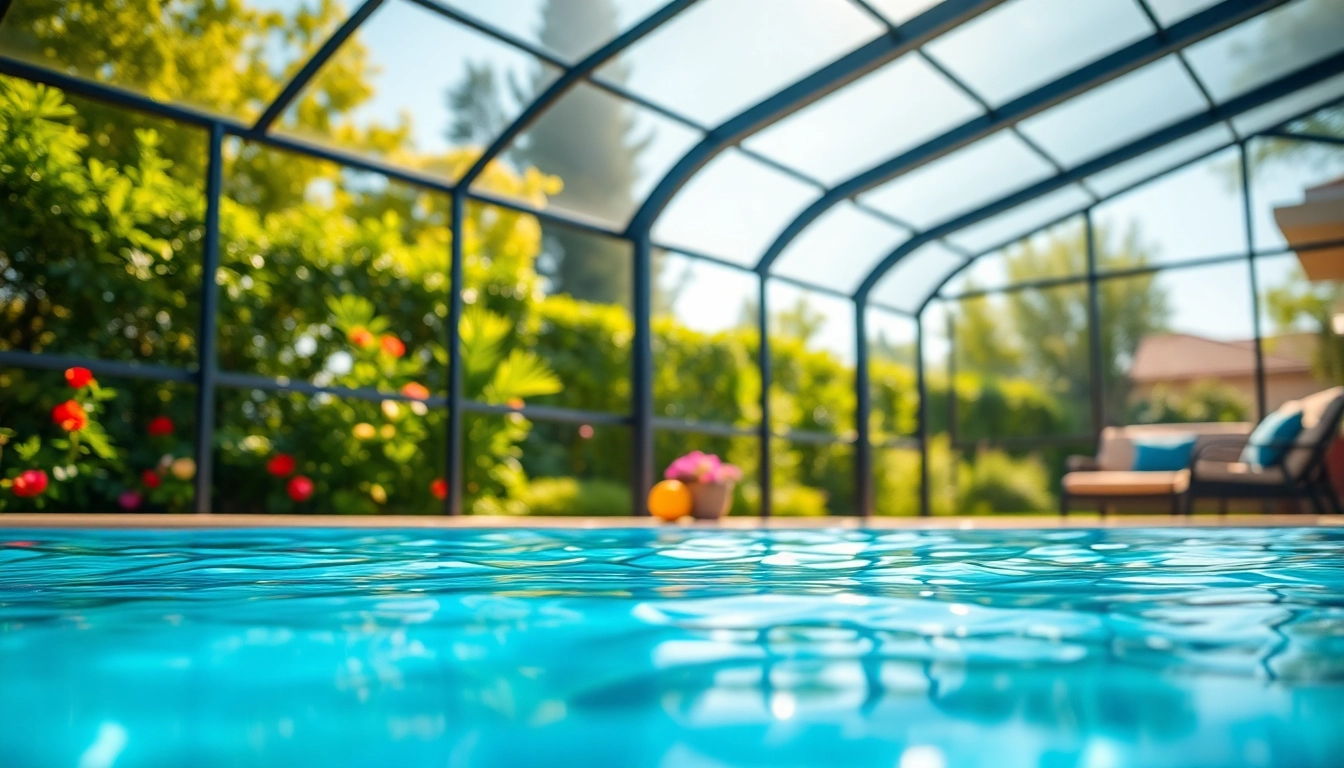
- Screen Enclosures: These are ideal for keeping out insects while allowing airflow. They are cost-effective and enhance the outdoor experience without obstructing the view.
- Glass Enclosures: Offering a modern and sophisticated look, glass enclosures provide unobstructed views of the surrounding landscape while effectively retaining heat and reducing debris.
- Polycarbonate Enclosures: Durable and lightweight, polycarbonate provides good thermal insulation. It's available in various styles, including retractable options for versatile use throughout the seasons.
- Inflatable Enclosures: The most budget-friendly option, inflatable enclosures can be easily installed and removed, making them perfect for off-season usage.
Benefits of Installing a Pool Enclosure
The advantages of having a pool enclosure extend beyond aesthetics. Here are some key benefits:
- Extended Swimming Season: Enclosures help maintain a comfortable water temperature, enabling year-round swimming, regardless of external weather conditions.
- Debris Protection: An enclosure keeps leaves, insects, and other debris out of the pool, significantly reducing cleaning time and costs.
- Safety: They create a barrier for children and pets, providing peace of mind for families.
- Increased Property Value: A well-designed pool enclosure can enhance the appeal and value of your property, making it desirable to potential buyers.
- Energy Efficiency: Pool enclosures can help decrease evaporation and chemical usage, leading to lower maintenance costs.
Choosing the Right Materials for Your Pool Enclosure
Selection of materials will have a significant impact on your enclosure's effectiveness and longevity. Consider the following materials:
- Aluminum: Lightweight and corrosion-resistant, aluminum frames are popular for their durability and low maintenance.
- Polycarbonate: Known for its strength and insulation properties, polycarbonate is an excellent choice for providing transparency and thermal efficiency.
- Screen Mesh: Made from woven fiberglass or polyester, screen material is ideal for insect protection and allowing airflow.
Design Features of Pool Enclosures
Design is crucial in achieving the perfect Pool Enclosure. A well-designed enclosure seamlessly integrates with your home and landscape.
Size and Shape Considerations
The size and shape of your pool enclosure should complement your pool's dimensions and your yard's layout. Consider these factors:
- Existing Structures: Ensure the enclosure aligns with your home’s architecture and existing garden features.
- Local Regulations: Check local building codes regarding height and structure to avoid future complications.
- Shape: Choose between rectangular, oval, or custom shapes based on your installation preference and aesthetic goals.
Customized Features for Your Enclosure
To enhance functionality and enjoyment, consider customizable features such as:
- Retractable Roofs: Allowing for open or closed options based on weather conditions.
- Ventilation Options: Built-in windows or vents for improved airflow and comfort.
- Heating Systems: Integrated heating can ensure a comfortable swim even during cooler periods.
Color and Finish Options
Your enclosure’s aesthetics also matter. Choose from a wide range of colors and finishes to match your personal style, including:
- Powder-Coated Finishes: For durability and resistance to fading.
- Clear Coatings: To enhance visibility.
- Custom Designs: Tailor colors and styles to fit your unique outdoor decor.
Maintenance and Care for Your Pool Enclosure
Regular maintenance ensures your enclosure remains functional and appealing. Here are some practical tips:
Regular Cleaning Tips
Keeping your pool enclosure clean not only enhances its appearance but also prevents wear:
- Use Mild Detergents: Clean with mild soap and water to prevent damage to surfaces.
- Clean Corners and Tracks: Debris often accumulates in these areas, requiring regular attention to avoid blockages.
- Protectant Sprays: Consider using sprays designed for polycarbonate or glass to maintain clarity.
Seasonal Maintenance Practices
Adapting your maintenance routines with the seasons can prolong the life of your enclosure:
- Pre-Winter Checks: Inspect for any structural weaknesses or wear before winter weather arrives.
- Post-Storm Inspections: Regularly check for damage after heavy storms to address any issues promptly.
- Winter Preparation: Remove snow buildup and check for ice formations that could stress your enclosure.
Troubleshooting Common Issues
If issues arise, being prepared can save you time and effort:
- Fogged Glass: Use glass cleaner to remove fog or buildup, improving visibility.
- Sticking Tracks: Clean and lubricate tracks to ensure smooth opening and closing.
- Physical Damage: Minor scratches can sometimes be buffed out; more significant issues may require professional attention.
Cost and Installation of Pool Enclosures
Understanding the financial aspect of your enclosure project is vital to avoid unpleasant surprises.
Budgeting for Your Pool Enclosure Project
Costs vary considerably based on the enclosure type, size, and material. Most homeowners can expect to budget:
- Low-End Options: A screen enclosure can start around $4000, ideal for budget-conscious homeowners.
- Mid-Range Options: Glass or polycarbonate enclosures can range from $10,000 to $25,000.
- High-End Features: Custom designs with advanced features can exceed $50,000.
Factors Influencing Installation Costs
Several elements can affect the overall installation cost:
- Design Complexity: Unique shapes or custom features can increase labor and material expenses.
- Location: Geographic location may influence shipping costs and availability of installation services.
- Local Regulations: Permitting and compliance may require additional fees for installation.
Finding the Right Installer
Choosing a reputable installer is crucial for ensuring quality workmanship:
- Research: Look for reviews, referrals, and past work before making a decision.
- Get Quotes: Always request multiple quotes to compare pricing and services offered.
- Check Credentials: Ensure the installer is licensed and insured for peace of mind.
Frequently Asked Questions
What is the cheapest way to enclose a pool?
The inflatable swimming pool enclosure is the least expensive option, as it's easy to set up and remove seasonally, providing a practical solution for homeowners.
What is the average cost of a pool enclosure?
Typically, the cost ranges from $4,000 to $14,000, depending on factors such as size, materials, and design preferences.
Is a pool enclosure worth it?
A pool enclosure is a smart investment that extends your swimming season, enhances safety, and reduces maintenance efforts significantly.
What maintenance does a pool enclosure require?
Regular inspections, cleaning, and seasonal preparations are essential to maintain the integrity and appearance of your enclosure.
Can I customize my pool enclosure?
Yes, many pool enclosures can be customized to fit your style, including size, material, and additional features for improved functionality.